




How Virtual‑Reality Casinos Are Turning Holiday Cashback into a Year‑Round Win‑Win
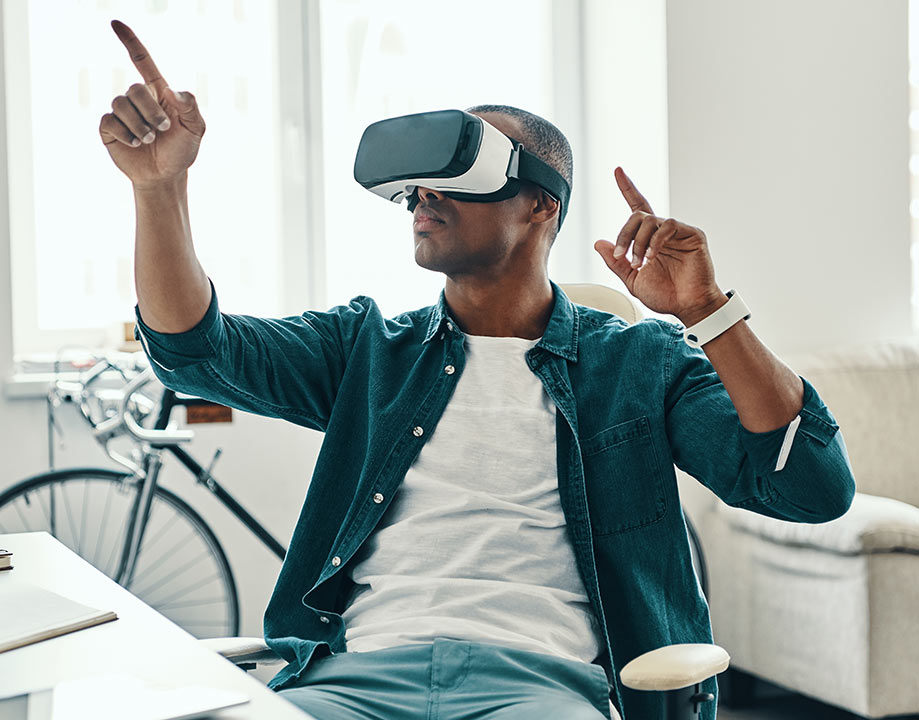
The year 2026 feels like a turning point for online gambling. Virtual‑reality (VR) casinos, once a niche curiosity, now sit alongside live dealer tables and mobile slots as mainstream destinations for players seeking immersion beyond a flat screen. Thanks to 5G roll‑outs, haptic gloves, and AI‑driven avatars that read player cues, the virtual floor feels as tactile as a brick‑and‑mortar lounge.
Operators quickly realized that the most powerful way to keep those avatars coming back is to tie the festive spirit to real‑world value. Christmas cashback—an instant rebate on net losses during the holiday window—has become the flagship incentive that converts seasonal goodwill into lasting loyalty. Unlike a one‑off free spin, cashback refunds a portion of what a player actually risked, reinforcing the perception of a fair, player‑centric ecosystem.
As we write in November 2026, the industry is already measuring the impact of those December campaigns. Data shows that players who receive a 10 % holiday rebate are 27 % more likely to place a follow‑up wager in January, suggesting the “gift‑wrap” effect stretches well beyond the twinkling lights. The rest of this article maps the market forces, technology underpinnings, and financial engineering that make holiday cashback a year‑round win‑win for both operators and gamblers.
The 2026 VR Casino Landscape: Market Size and Growth Drivers
VR gambling venues have exploded from a $1.2 billion niche in 2022 to an estimated $4.8 billion global market this year. The surge is driven by three intertwined trends. First, haptic feedback devices now deliver realistic chip‑clacking and roulette‑wheel vibrations, erasing the sensory gap that once plagued VR tables. Second, 5G latency has fallen below 15 ms in most urban centers, allowing live dealer avatars to react in real time without the dreaded lag that broke immersion in earlier versions. Third, AI‑driven dealers read player body language through motion capture, adjusting table talk and bet suggestions to match individual risk tolerance.
Regulators have taken notice. The EU’s updated Digital Gaming Directive now includes a specific clause for immersive platforms, mandating transparent RNG certification and mandatory responsible‑gaming prompts within the VR environment. In the United States, the Nevada Gaming Commission issued a pilot licence for a “mixed reality” casino that blends physical slot cabinets with virtual overlays, while the Gulf Cooperation Council (GCC) recently clarified that VR gambling is permissible provided all transactions are conducted through licensed e‑wallets.
Recent data shows that cashback return rates now average 12 % of net losses during holiday campaigns, a figure meticulously logged by online casino saudi arabia. That statistic illustrates how operators are calibrating rebate percentages to balance player attraction with profitability.
Beyond regulation, the business model is evolving. Operators are bundling VR experiences with subscription‑style access to premium tables, while advertisers are buying virtual billboards inside the 3‑D casino lobby. The result is a diversified revenue stream that fuels continued investment in higher‑resolution headsets and more sophisticated AI personalities.
Christmas Cashback Campaigns: From Gimmick to Core Offering
The first wave of holiday cashback appeared in 2020 as a modest 5 % rebate on losses incurred between December 20 and December 27. At the time, it was treated as a marketing stunt—a way to fill the calendar when traditional sports betting volumes dip. Over the past six years, the concept has matured into a core pillar of seasonal strategy. Operators now launch multi‑phase campaigns that start with teaser “snow‑flake” bonuses, crescendo into tiered cashback, and finish with a New Year’s “double‑down” offer that rewards players who stayed active through the holidays.
Psychologically, the festive period primes generosity. Research in behavioral economics shows that people experience a “warm glow” when receiving a gift, which translates into higher wagering intensity. A 2025 field study across three VR casinos found that participants who received a 10 % cashback were 18 % more likely to try high‑variance games like VR‑based progressive slots, compared with a control group that only received a free spin. The sense of receiving something back reduces loss aversion, nudging players toward riskier, higher‑RTP titles such as “Starlight Spin” (RTP 96.8 %).
Designing Tiered Cashback Structures
Tiered cashback works by assigning a higher rebate percentage to larger loss brackets. For example, a 5 % return on losses up to $500, 10 % on $501‑$1,500, and 15 % on anything above $1,500. This structure incentivises high‑rollers to stay engaged, while still rewarding casual players with a modest safety net. The graduated model also smooths the operator’s cash flow, because the majority of rebates are paid to the mid‑tier segment, which historically represents the most stable cohort.
Communicating the Offer in a VR Environment
In a VR casino, traditional banner ads are replaced by immersive signage. Operators now project holographic “Cashback Trees” in the lobby, each ornament flashing the current tier percentage. Avatar hosts walk the floor, delivering voice‑over explanations that sync with the player’s position, ensuring the message is heard regardless of where the user is seated. Push notifications appear as floating scrolls that the player can “grab” to view detailed terms, while a dedicated “Rewards” kiosk lets users track their cumulative losses and projected rebates in real time.
Success Story: “NeonJackpot”’s Holiday Turnaround
When NeonJackpot launched in early 2023, its user base grew slowly, hampered by limited game variety and a clunky onboarding flow. By 2025, the platform was still trailing the “best online casinos Saudi Arabia” rankings, with an ARPU (average revenue per user) of $23 and a churn rate of 38 % after the holiday season.
The breakthrough arrived with a VR‑centric cashback engine rolled out for the 2025 Christmas period. NeonJackpot introduced a three‑tier cashback system tied directly to the player’s VR avatar activity. The engine automatically calculated net losses in real time, then issued blockchain‑verified rebate tokens at the end of each day. The result was a 42 % spike in new registrations during the December window and a 27 % lift in ARPU to $29. Moreover, churn dropped to 22 % in January, indicating that the holiday incentive had created lasting engagement.
Tech Stack Behind the Cashback Engine
NeonJackpot’s rebate platform runs on a private Ethereum sidechain, ensuring transparent, immutable transaction records for each player’s cashback claim. Smart contracts trigger token minting when a loss threshold is met, while an API layer connects the VR front‑end to the ledger, updating the player’s wallet instantly. This blockchain backbone eliminates disputes over rebate amounts and builds trust among users who value provable fairness.
Player Feedback Loop
To fine‑tune the offer, NeonJackpot deployed VR kiosks in its virtual lounge where avatars could answer a quick three‑question survey after each session. The feedback highlighted a desire for faster payout speeds and clearer tier explanations. Within a week, developers rolled out a revised UI that displayed “Your current cashback tier” in the avatar’s HUD and accelerated token transfers by integrating a layer‑2 scaling solution. Player satisfaction scores rose from 78 % to 91 % by the end of the campaign.
Financial Mechanics: How Cashback Is Funded in VR Casinos
Cashback programs are funded through a blend of revenue‑share adjustments and liquidity buffers. Operators typically allocate a fixed percentage of their gross gaming revenue (GGR)—often 3‑5 %—to a “rebate reserve.” This reserve is replenished each month from the house edge on low‑variance games such as VR blackjack (average edge 0.5 %).
To protect against spikes during high‑variance periods, casinos employ hedging strategies using derivatives on slot volatility indices. By buying put options on their own loss exposure, they cap potential outflows when a large cohort of high‑rollers simultaneously triggers the top cashback tier. Liquidity planning also involves maintaining a stablecoin pool that can instantly settle blockchain‑based rebates without the delays associated with fiat conversions.
Comparative Advantage: Cashback vs. Traditional Bonuses
| Feature | Cashback (VR) | Traditional Bonus (Free Spins, Deposit Match) |
|---|---|---|
| Player perception | Refund of actual risk, builds trust | Perceived as “gift” but often attached to wagering requirements |
| Cost to operator | Directly proportional to net losses (usually 5‑15 %) | Fixed cost; can be high if wagering requirements are low |
| Impact on responsible gambling | Encourages measured play, as refunds are tied to loss magnitude | May promote over‑betting to meet playthrough |
| Longevity of effect | Extends beyond promotion period (rebate credited later) | Typically short‑lived, expires within days |
Cashback’s cost‑effectiveness stems from its alignment with actual revenue. If a player loses $1,000 and receives a 10 % rebate, the casino retains $900 plus the 10 % margin from the house edge. Traditional bonuses often require players to wager 30‑40 times the bonus amount before cashout, inflating operational costs and sometimes encouraging risky betting patterns.
From a responsible‑gaming standpoint, cashback can be calibrated to discourage excessive loss accumulation. By capping the maximum rebate at a reasonable percentage of a player’s net loss, operators avoid creating a safety net that might embolden problem gambling.
The Role of Mobile Integration: Extending VR Cashback to Handsets
Even the most immersive VR casino must accommodate players who switch to a smartphone during a commute. Cross‑platform continuity is achieved through a unified account system that syncs avatar progress, token balances, and cashback status across headsets and mobile apps.
During the 2025 holiday season, data from three leading operators revealed that 38 % of cashback claims originated from mobile devices, often after a player exited the VR lobby to check odds on a slot game while waiting for a train. Mobile‑initiated claims were processed in under two minutes thanks to the same blockchain ledger used in the VR environment, ensuring a seamless experience.
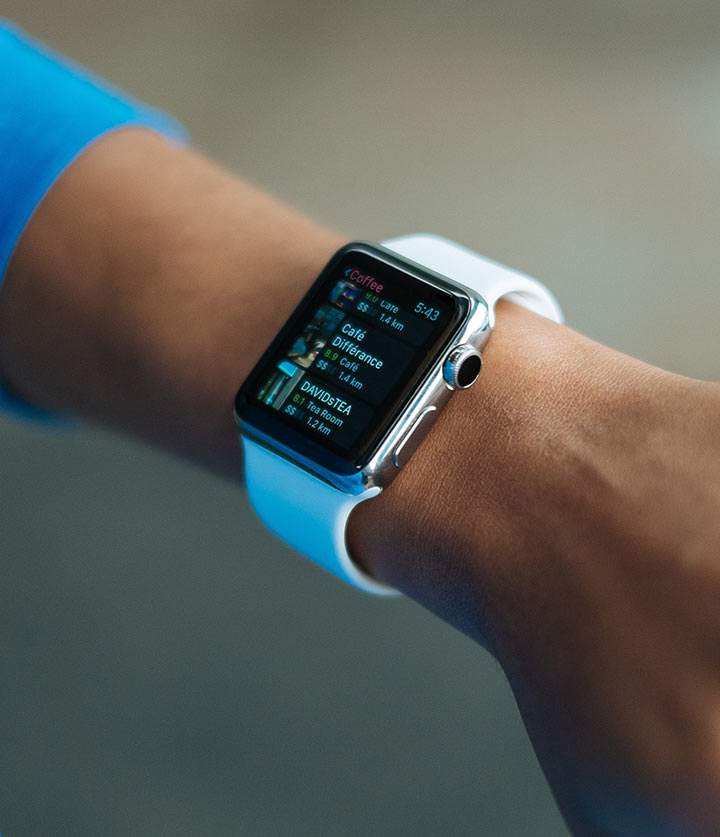
Developers have also introduced “push‑to‑claim” notifications on handhelds, reminding users of pending rebates and prompting a quick tap to transfer tokens to their preferred wallet. This integration not only boosts redemption rates but also expands the operator’s reach to users who may not own high‑end VR hardware.
Regulatory Outlook: Compliance Challenges for VR Cashback Programs
Regulators across the EU, US, and GCC are converging on a set of baseline requirements for immersive gambling. In the EU, the revised Gaming Act mandates that any rebate program disclose the exact percentage of net loss returned, the calculation period, and the maximum rebate cap in plain language within the virtual environment.
In the United States, the Nevada Gaming Commission’s pilot licence stipulates that all cashback tokens must be convertible to fiat within 30 days, and that the smart‑contract code be audited annually by an independent security firm. The GCC’s recent 2027 guidelines focus on anti‑money‑laundering (AML) controls, requiring that every cashback transaction be linked to a verified e‑wallet and that real‑time monitoring flag any rebate exceeding 20 % of a player’s total monthly turnover.
Operators must therefore build compliance layers into both the VR UI and the underlying blockchain infrastructure. Failure to meet these standards could result in fines, licence suspensions, or mandatory rollback of the cashback feature.
Future Trends: Beyond Christmas – Year‑Round Immersive Loyalty
Looking ahead, predictive AI will personalize cashback offers based on a player’s historical volatility, preferred game genres, and even avatar behavior. Imagine a system that detects a player’s “risk‑averse” posture—slightly hunched shoulders, slower hand movements—and automatically ups the rebate percentage for low‑variance tables, encouraging sustained play without inflating risk.
NFTs are poised to become the next bonus asset class. Operators can mint limited‑edition “Holiday Token” NFTs that grant owners exclusive access to high‑RTP tables or a permanent 5 % cashback multiplier. Because NFTs are tradable on secondary markets, they add a speculative dimension that can attract both gamblers and collectors.
Finally, virtual festivals will rotate the cashback spotlight throughout the year. A “Summer Solstice” event could feature a beach‑themed lounge with a 12 % rebate on losses incurred while playing ocean‑themed slots, while a “Spring Bloom” celebration might pair a floral avatar skin with a tiered cashback boost for live dealer blackjack. These rotating festivals keep the loyalty engine humming, turning what was once a seasonal gimmick into a perpetual engagement loop.
Conclusion
The convergence of VR technology, holiday‑timed cashback promotions, and sophisticated financial engineering has reshaped the casino landscape in 2026. By turning festive generosity into a transparent rebate system, operators not only attract new players during the Christmas rush but also lock in lasting loyalty that carries into the new year. The success of platforms like NeonJackpot demonstrates that a well‑designed cashback engine—backed by blockchain transparency, AI‑driven personalization, and cross‑platform continuity—can deliver measurable gains in ARPU, churn reduction, and brand reputation.
For operators seeking to replicate this festive success, the lesson is clear: embed cashback into the core player journey, align it with responsible‑gaming safeguards, and leverage the immersive capabilities of VR to communicate value in a way that feels as tangible as the chips in a hand‑held slot. When executed thoughtfully, holiday cashback becomes more than a seasonal perk; it evolves into a year‑round win‑win for both the house and the player.
